
5 Years of Television Feminism
Five years of television feminism podcasting and wow, we’ve got work to do! Thanks for tuning into this special anniversary episode of Advanced TV Herstory – a podcast unlike any other you listen to…. I’m guessing. Here is some news and thoughts as I embark on year 6 and this momentous time in American and world history.
Report Card
First – Developed a new tag line – Connecting the dots of TV and feminism to politics and culture.
It just feels right! In five years the podcast has gone from simply celebrating and revisiting great TV women and their work to an approach that is framed within the political and cultural conversations we have today. Representation, pay equity, talent pipelines, the power of the major media company conglomerates and how they’ve captured a hold on ALL the titles, past and present.
Second and before I say another word about the show, big thank yous are in order:
- · Catherine Yang, talented editor & accomplished musician and composer about to start a Masters Program in Film Scoring
- · Jahzzar’s Take Me Higher, one of his many works found at Free Music Archive.
- · Ashley Pacini of The Reel Women, collaborator, long time listener & friend
- · The many women who advise, encourage and put up with my rabbit-hole tangents and my family – Dave, Grant and Alison who serve, on a moment’s notice as editors and proofreaders of script and newsletter copy.
- And YOU, for your consistent listening and sharing with others. When I close each episode with the line “you’re why I podcast” it’s because it’s true. May you find each episode you listen to informative, inspiring or just plain enjoyable. And if you don’t, I certainly hope you’ll let me know!
A quick look back at the year that was…
Last summer I released the Broadcast 41 series – backboned by a lengthy, in -person recording session with Carol Stabile of the University of Oregon. On that very busy day, we also appeared on Oregon Public Broadcasting’s Think Out Loud program. Wonderful of her to set up this media opportunity and certainly fun to have someone else ask the questions.
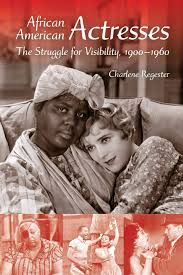
That series also tapped expertise from the other side of the country – Dr. Charlene Regester of the University of North Carolina. Author of the book African American Actresses: The Struggle for Visibility 1900-1960 dovetailed nicely (only in the artistic sense of the word) with Stabile’s research on the Broadcast 41. Stabile’s book goes into great depth about the toxic masculinity of the late 40s, which sought out women of all nationalities and religions and in many cases, ruined their careers with unfounded allegations.
Among them were women also featured in Dr. Regester’s book – those who had toiled in film as the only roles available to black women – that of a domestic, housekeeper, nanny or as a torch singer. The singer’s footage shot in such a way so it could edited from the film before released to Southern audiences.
Five years of television feminism podcasting has made me a more confident. I am better equipped to contribute the public conversations going on now. In this Summer of COVID, as we reckon with systemic racism following George Floyd’s, I am grateful for that time with Dr. Regester.
L.A. Law and Women
It’s been a year where I consciously balanced series based on extended interviews – like Dr. Elana Levine and all her research on soap operas – with the episodes and the people that are worth further study, just me – narrations and clips.
Like the episode LA Law’s Pilot and 80s Feminism – all about the series’ explosive launch and media hubbub of life a progressive workplace drama. Each episode’s quality dropped a bit in the first season 1986-87. A chat series co-creator, Terry Louise Fisher, is officially on the podcast’s bucket list because she has a story to tell.
Something happened behind the scenes that led to Fisher’s removal from the show, but if I get the chance, someday I want to ask her what she had in mind for the swankily decorated offices of McKenzie Brackman law firm, for law partner Ann Kelsey’s career and the let’s-confront-the-issues freshness that never again saw the light of day. LA Law and Fisher as a showrunner held such potential. Re-watching the first 2 seasons, it’s clear forces behind the scenes didn’t want the series or its co-creator to be a feminist force. Thirty-five years later, I feel like we need to hear the story.
Re-watching LA Law was part of my research for the book I pledged last to write. The good news is my framework of research and focus on the #MeToo movement exists and I still love it. It’s worth the investment in time and offers an accessible way to learn relevant background about sexual harassment in the U.S. workplace. The bad news … I simply cannot bring myself to write it as a book – for any audience. So I am currently exploring platforms from which to launch well-researched and engaging modules. Stay tuned!
Knowledge is Power
In last year’s anniversary episode too, I shared with you my multiple dreams featuring Jane Fonda. By the end of 2019, four in all were rich enough for me to remember upon waking. Four dreams intrigued me enough to buy Jane’s 2005 memoir My Life So Far. Wow! That’s it!
It is memorable, incredibly well-written and sets straight a lot of misinformation about Jane – through the years her reputation was framed more by the men who feared her and her independence and power than by the women who wanted just a little bit of her nerve and resourcefulness. I am developing a multi-episode discussion of Jane’s book. Buy it and read it if you haven’t already. ANNNND if you’re wondering about Jane’s connection to TV – well there are many. But the one you may not know about is the 1987 made-for-TV-movie that earned her an Emmy – The Doll Maker, available on YouTube complete with commercials. This is Jane in a project that she crafted and made come to life.
And as if receiving a call from all our feminist mothers,
I finished Blanche Wiesen Cook’s final book in her 3-part Eleanor Roosevelt series, read Gloria Steinem’s 1983 Outrageous Acts and Everyday Rebellions. Clearly, Mrs. America, the FXHulu series that April Smith and I spoke about, used some of Steinem’s detailed and rich recount of the ERA’s brightest and darkest days.
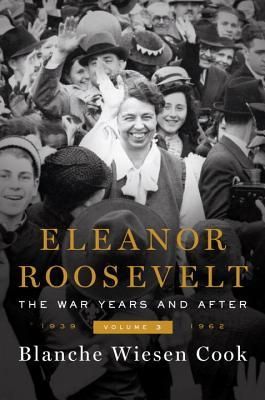
This reading further informs my capacity to put TV herstory into context and reminds me that change requires years of hard work, often with little understanding or recognition at the time. More and more in our monthly e-newsletter, I share what I am reading and watching. If you don’t already receive it, go to TVHerstory.com and sign up today.
COVID
Having reached the five-year milestone, Advanced TV Herstory is a known commodity. It occupies a distinct place in the podcast world, serving an audience that spans academia, fandom and feminism and YOU! If there’s a silver lining to this pandemic, it’s the unexpected interruption of what we thought was our focus. Our “need to do” list was paused at the same time that Zoom and other video platforms became essential bridges – to NEW people, not just our own pre-COVID circle.
I gotta admit, the year to come is so full of variables I don’t dare craft a plan. The smartest thing we can do is remain flexible and mindful of all the changing conditions and continue to evaluate how that change impacts us – personally, professionally and even our hobbies and interests. If you’re familiar with change theory, you know that “chaos” is the time to be observant. And what follows chaos is a time of bold experimentation, innovation and renewed energy.
Listeners, we have no idea what the future will bring, but somehow, we need to be ready to contribute to one that upholds our values, respects folks from all walks and leverages the common ethics of work, health and security. This podcast is open to collaborating, exploring other platforms and media and examining issues that are controversial. That’s why no advertiser or sponsor has final say over a script or episode.
Send me a message at advancedtvherstory@gmail.com or use the contact for at tvherstory.com. Let me know what you think the future holds or what you’d like us to include in this coming year of the podcast. We’re all in this together and you’re why I podcast. I’m your host, Cynthia Bemis Abrams
